

SourceTip
Microbial Source Tracking
We investigate individual bacterial genomes and DNA collected directly from water. Together they help explain which microbes are present and which sources their DNA resembles.
21st century molecular diagnostics for microbiological contamination
SourceTip adds genomic evidence alongside the standard test, supporting an environmental investigation.
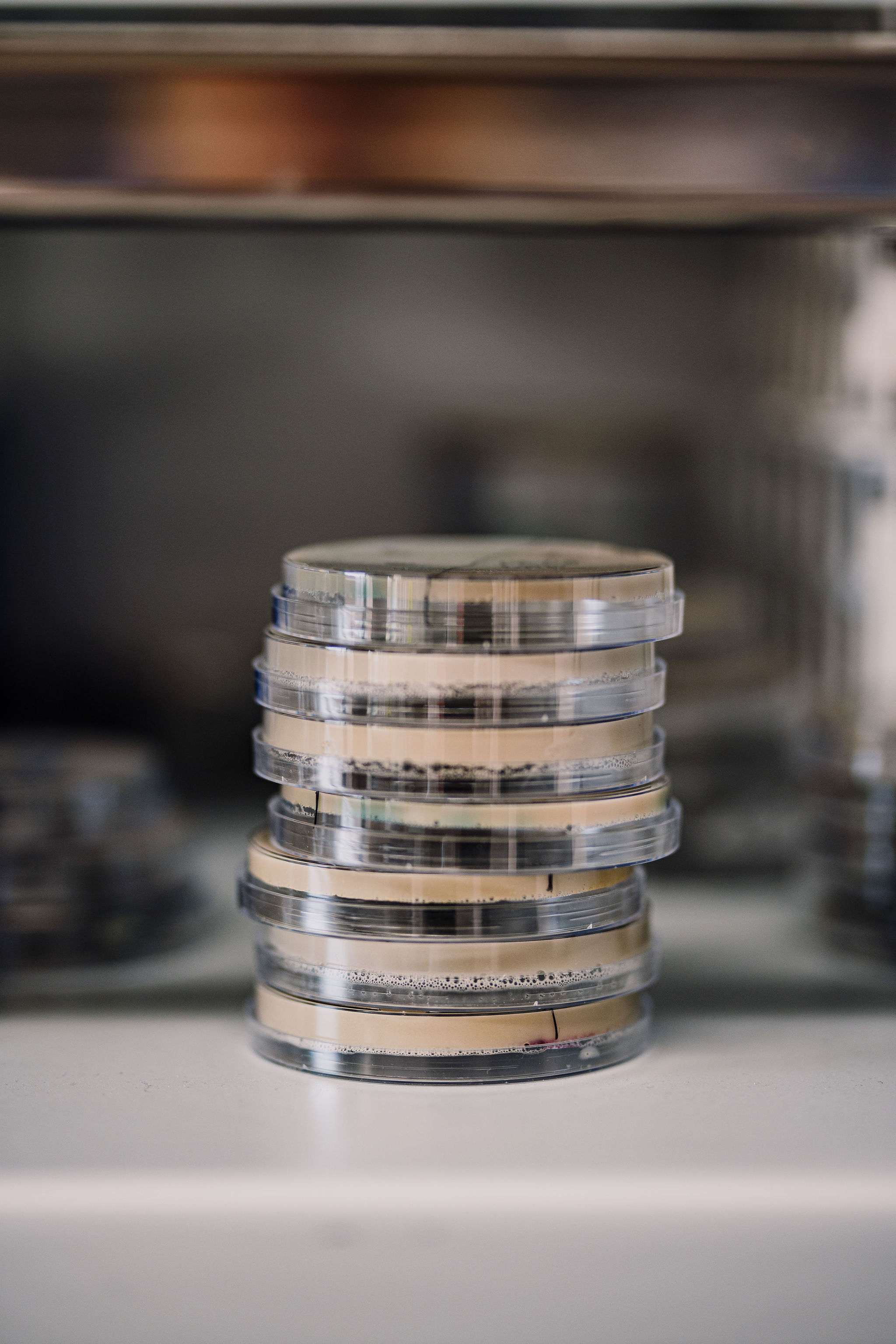
One water sample. Two complementary DNA tracks.
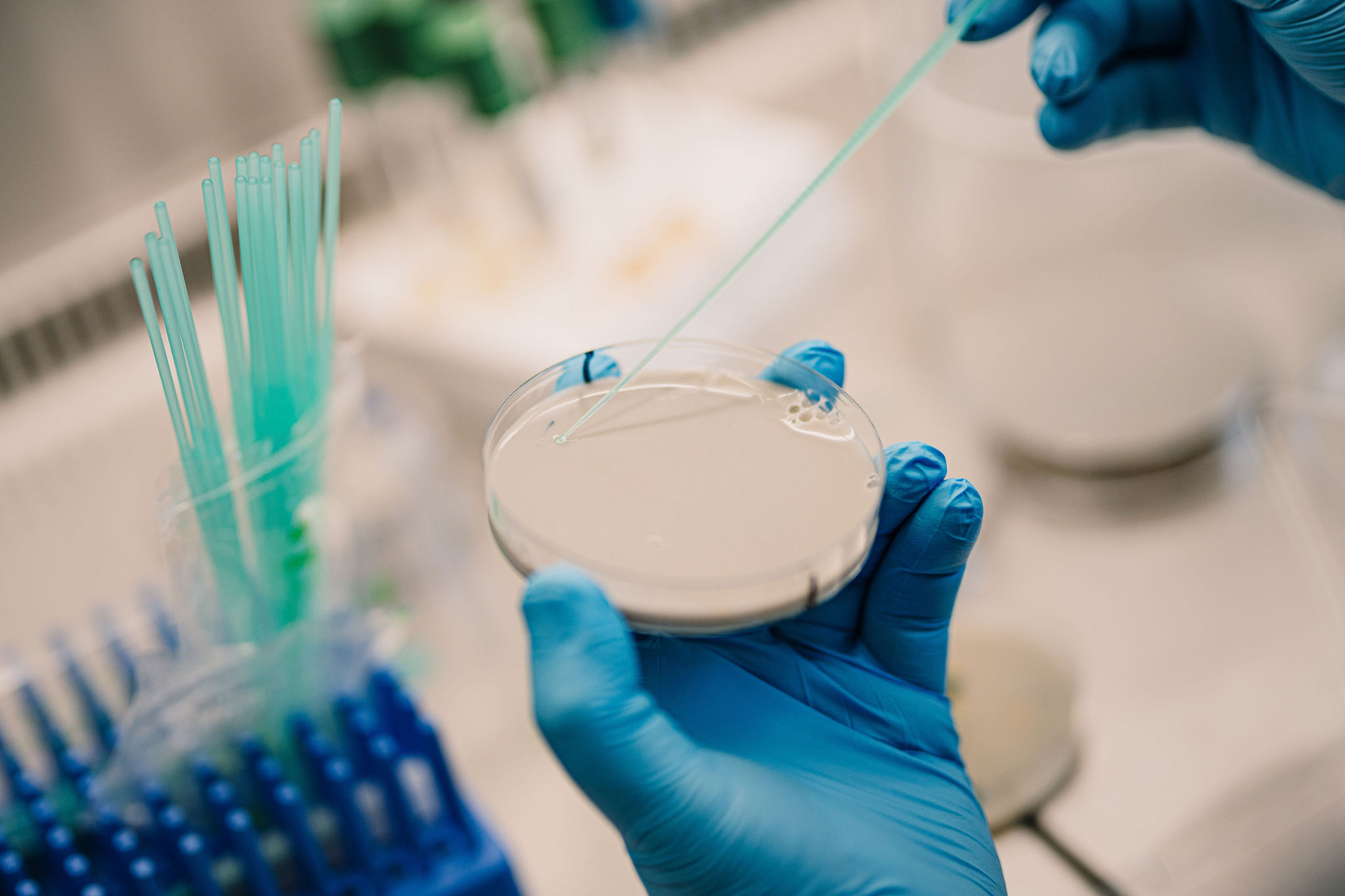
Track A / Culture-based
Whole-genome sequencing
Build the bacterium’s family tree.
- Isolate: grow bacteria from the water sample and select pure colonies.
- Sequence: extract DNA and read each isolate’s whole genome on the Oxford Nanopore Technologies MinION.
- Compare: use comparative genomics and phylogeny — genetic genealogy — to compare isolates with reference genomes from known hosts.
The insight: genome-level identification, genetic relationships and evidence of likely host associations. Genomes can also reveal genes linked to antimicrobial resistance or other functions.
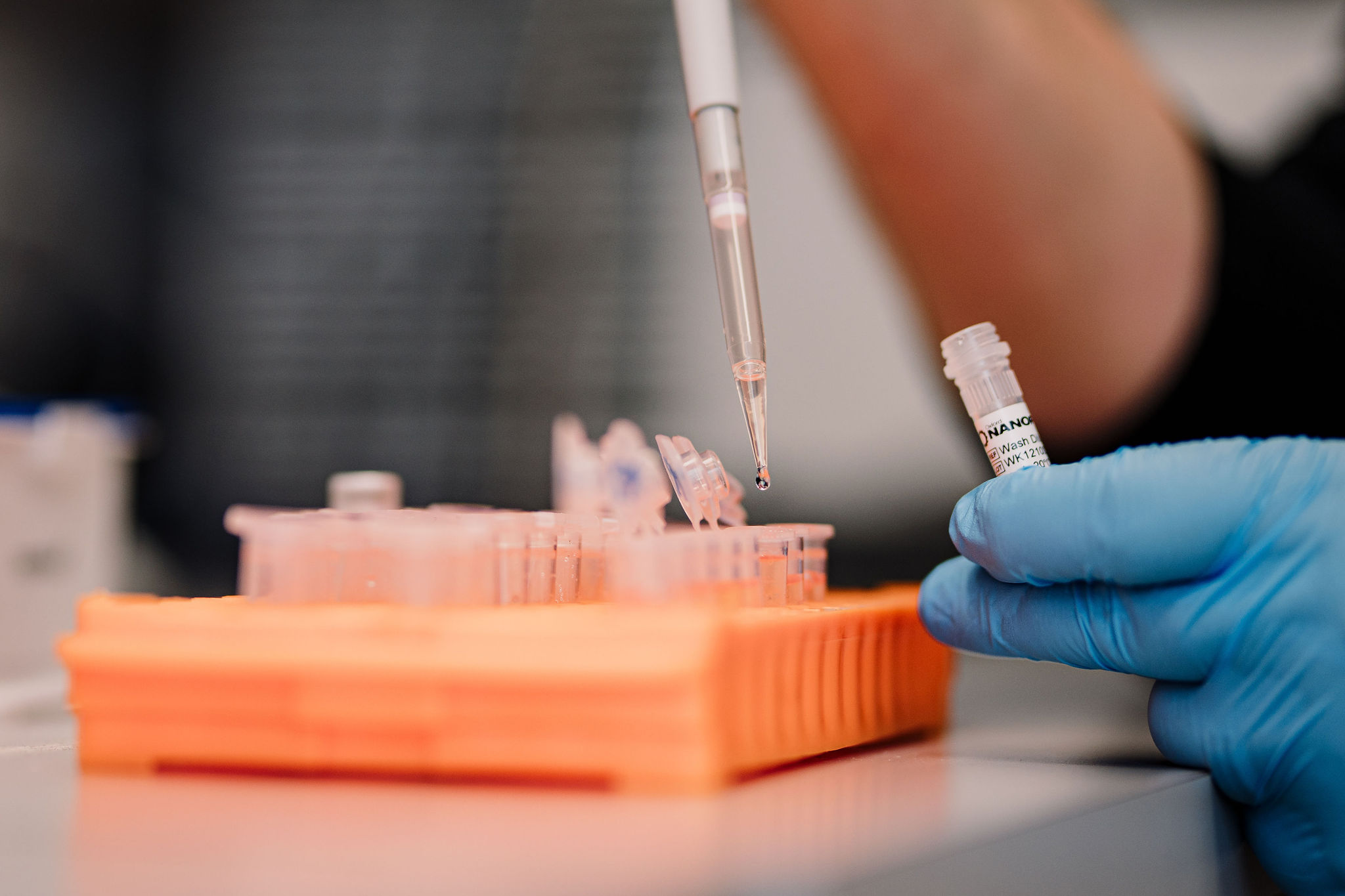
Track B / Culture-free
eDNA & adaptive sequencing
Read DNA directly from the water.
- Collect: filter a bulk water sample and extract environmental DNA (eDNA), without first growing colonies.
- Sequence: prepare a metagenomic library and sequence it on the Oxford Nanopore Technologies MinION.
- Focus & analyse: adaptive sampling selects DNA during the run; compare the resulting sequences with reference data to investigate the microbial community and source signals.
The insight: a culture-free view of microbial DNA and potential pollution sources, complementing the detailed isolate genomes.
What does “adaptive” mean?
Target selection while sequencing.
The software examines the beginning of a DNA molecule as it is read. It can keep sequencing molecules matching the selected targets and reject others, directing sequencing effort towards the DNA of interest.
SourceTip combines this sequencing approach with reference comparisons and interpretation. A host match is evidence of an association, rather than proof of an exact discharge location.
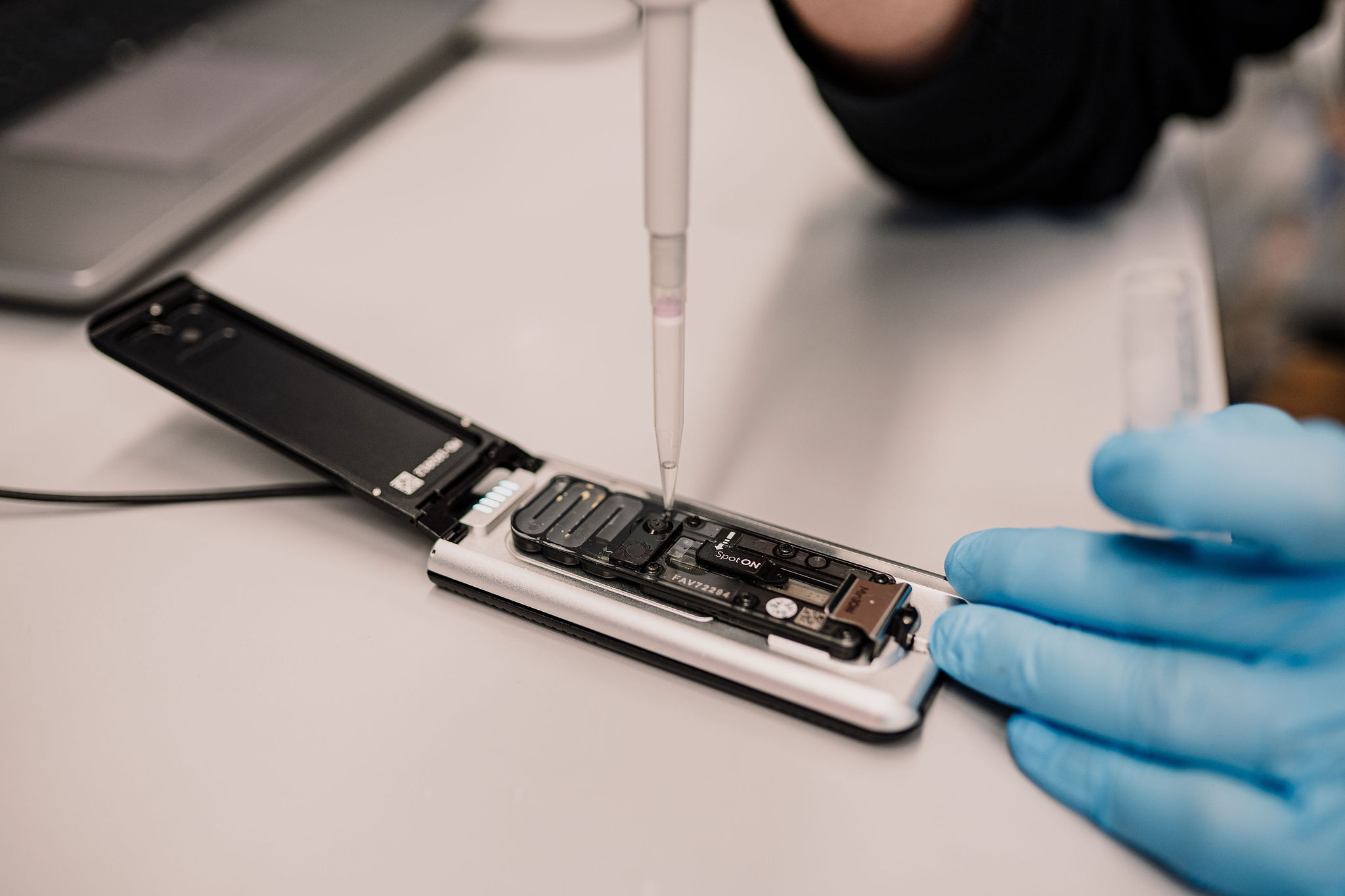
From DNA to evidence
Policy applicable source classes
The supplied two-year host-matching analysis found reference matches for 49 of 139 genotypes. Some matches span several host groups; others remain unmatched. Our database holds 14,000 reference genomes, and it helps interpret these results.
At Anne Canal, SourceTip found human-origin signals and wildlife matches, mostly birds. In October 2026, Tallinn commissioned an investigation of pollution sources in Kopli Bay.
Two years of host matching
DNA compared with reference genomes from known hosts. 49 of 139 got a match.
Genotypes matched to that host group